Emergency Fund vs Investing: Which Should Come First?
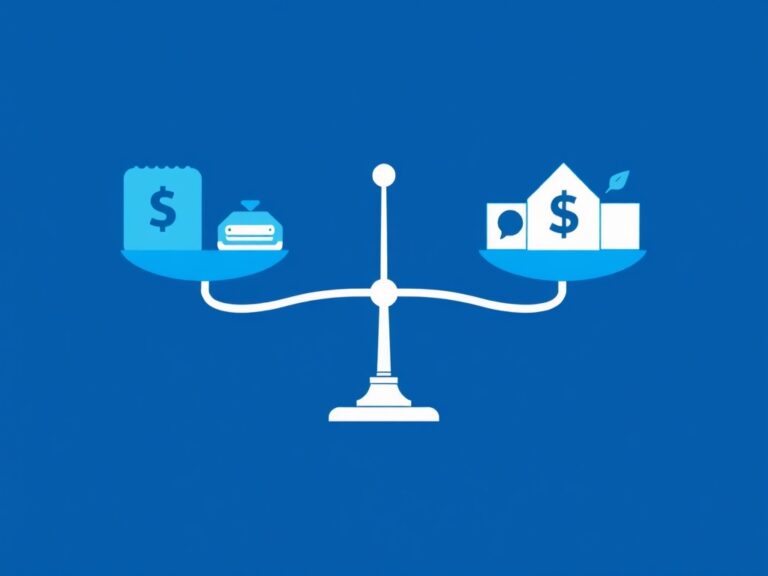
When comparing emergency fund vs investing, the better choice depends on timing, stability, and risk. If you have little or no cash buffer, unstable income, or high-interest debt, building an emergency fund first is usually the safer move. If you already have a solid reserve and a long time horizon, investing sooner can help you benefit from compounding earlier.
That difference matters because the two goals serve different purposes. An emergency fund protects you from financial shocks. Investing helps your money grow over time. Both are important, but they are not interchangeable.
Emergency Fund vs Investing: Quick Answer
An emergency fund is cash set aside for unexpected expenses such as job loss, medical bills, car repairs, or urgent home repairs. It is usually kept in a high-yield savings account or another liquid, low-risk account so you can access it quickly. If you want help estimating how long it may take to reach a savings target, a savings goal calculator can help you map out a realistic timeline.
Investing means putting money into assets such as stocks, bonds, ETFs, or mutual funds with the goal of growing wealth over time. Investing involves market risk, but it is generally the better tool for long-term growth because it offers return potential that cash savings usually cannot match. If you want to estimate future value based on contributions and return assumptions, the compound interest calculator is a useful place to start.
Quick rule of thumb
If you have no emergency savings, start with a small buffer first. Even $500 to $1,000 can help prevent a surprise bill from turning into high-interest debt or a forced investment sale.
Key Differences Between an Emergency Fund and Investing
| Feature | Emergency Fund | Investing |
|---|---|---|
| Primary purpose | Cover unexpected expenses and income shocks | Grow wealth over time |
| Risk level | Very low | Moderate to high, depending on the asset mix |
| Expected return | Low, often close to savings rates | Potentially higher, but not guaranteed |
| Liquidity | High | Usually lower, especially in volatile markets |
| Time horizon | Short-term and uncertain | Medium- to long-term |
| Best account type | High-yield savings, money market account | Brokerage, IRA, 401(k), ETFs, mutual funds |
| Fees | Usually minimal in savings accounts | May include expense ratios, trading costs, or advisory fees |
| Ease of access | Easy and fast | Can take time to sell and settle |
| Inflation protection | Limited | Better long-term inflation resistance |
The Federal Reserve’s Economic Well-Being of U.S. Households report shows that many households would struggle to cover even a modest emergency expense without borrowing or selling assets. That is one reason liquidity matters so much before you invest aggressively.
Why an Emergency Fund Usually Comes First
For most people, the emergency fund should come first because life is unpredictable. A job loss, medical bill, or major repair can happen at any time. If you have no cash reserve, you may be forced to use credit cards, take out a loan, or sell investments when markets are down. That can make a temporary problem much more expensive.
An emergency fund also provides something that investing cannot: certainty. Cash savings are not meant to maximize returns. They are meant to keep you stable when your income or expenses suddenly change. That stability can make it easier to invest later because you are not constantly worried about short-term setbacks.
Another reason to prioritize savings first is behavior. Many people say they will simply sell investments if an emergency happens, but that plan can fail in practice. During a market downturn, selling can lock in losses at the exact moment you need money most. A dedicated cash buffer reduces that risk.
Emergency Fund: Pros and Cons
Pros
- Provides immediate access to cash when unexpected expenses happen.
- Reduces the need to sell investments during a market downturn.
- Helps avoid high-interest debt such as credit cards or payday loans.
- Creates financial stability for job loss, medical bills, or urgent repairs.
- Supports better decision-making because you are less likely to panic under pressure.
Cons
- Earns relatively low returns compared with long-term investments.
- Can lose purchasing power over time if inflation runs above savings yields.
- May feel less exciting than investing because growth is slower.
- Large cash balances can create opportunity cost if they sit idle too long.
Common emergency fund mistake
Do not keep your emergency fund in an account that is hard to access or exposed to market swings. If the money is meant for emergencies, it should be available quickly and should not depend on selling investments at the wrong time.
When Investing Should Come First
There are situations where investing before fully funding an emergency reserve can make sense. If you already have enough cash to handle a modest surprise, have no high-interest debt, and are saving for a long-term goal, investing sooner can be reasonable. The main advantage is time: the earlier you start, the more time your money has to compound.
This is especially relevant for retirement saving. A delay of even a few years can reduce long-term growth significantly, particularly if you miss out on employer matching or tax advantages. If you are deciding where to place long-term savings after your cash buffer is in place, our guide on taxable brokerage vs Roth IRA explains how to prioritize account types.
Investing first can also make sense for people with very stable income, strong insurance coverage, and low monthly obligations. In those cases, the risk of a cash shortfall may be small enough that the opportunity cost of waiting to invest becomes more important.
Investing: Pros and Cons
Pros
- Offers the potential for higher long-term returns than cash savings.
- Helps you build wealth, especially over multi-year or multi-decade horizons.
- Can outpace inflation more effectively than a standard savings account.
- Allows you to benefit from compounding, dividends, and market growth.
- Works well for retirement, major future goals, and long-term financial independence.
Cons
- Market values can decline, sometimes sharply, in the short term.
- Money may not be immediately available without selling at a loss.
- Requires emotional discipline to stay invested during volatility.
- Fees, taxes, and fund expenses can reduce net returns.
If you want to see how market growth can compound over time, the investment return calculator is a practical way to compare different contribution and return assumptions.
See How Fast Your Money Can Grow
Estimate long-term growth from regular contributions and different return scenarios.
How Much Emergency Fund Do You Need?
A common target is three to six months of essential expenses, but the right amount depends on your situation. If your income is variable, your job is less secure, or you support dependents, you may want a larger buffer. If you have a very stable job, low fixed expenses, and strong insurance coverage, a smaller reserve may be enough.
A practical way to think about the target is to start with your non-negotiable monthly costs: housing, utilities, food, transportation, insurance, and minimum debt payments. Multiply that number by the number of months you want to cover. For many people, that creates a more useful target than guessing at a round number.
For example, if your essential expenses are $3,000 per month, a three-month emergency fund would be $9,000. If you save $600 per month, you could reach that target in about 15 months. That does not mean you should wait that long to invest; many people begin investing once they have a starter cushion and no high-interest debt.
How to Decide: Emergency Fund vs Investing
The best choice is usually not all or nothing. A balanced approach works for many households: build a starter emergency fund first, then begin investing while continuing to strengthen savings. That way, you protect yourself from short-term shocks without delaying long-term growth too much.
Choose an emergency fund first if you are a beginner, have unstable income, carry credit card debt, or do not have enough cash to handle a surprise bill. This is especially important if an emergency would force you to borrow at a high interest rate. In that situation, financial safety usually matters more than chasing returns.
Choose investing sooner if you already have a stable job, low debt, and a basic cash cushion. Long-term investors, especially those saving for retirement, often benefit from starting early because time in the market usually matters more than trying to find the perfect entry point. If your emergency fund is already in place, waiting too long to invest can mean losing years of compounding.
Higher-risk investors may be tempted to skip cash savings and put everything into the market. That can work during strong market stretches, but it also raises the chance of having to sell investments at a loss when an emergency appears. A more balanced approach is usually better: keep enough liquid cash for genuine emergencies, then invest the rest based on your time horizon and risk tolerance.
For retirement-focused savers, the decision may also depend on tax-advantaged accounts. If you are weighing multiple account types, our guide on 401(k) vs Roth IRA can help you understand how those accounts fit into a broader plan.
Practical example
Suppose you spend $3,000 per month on essentials. A three-month emergency fund would be $9,000. If you can save $600 per month, you could reach that target in about 15 months. Even so, you might still begin investing earlier once you have a smaller starter cushion and no high-interest debt.
Here is a simple example using real numbers. Imagine you have $5,000 available today. If you place it in a savings account earning 4.0% APY, the balance may grow to about $5,200 after one year before taxes, depending on compounding frequency. If you invest that same $5,000 in a diversified portfolio and it earns 8% annually over the long run, it could grow to about $10,794 in 10 years. That upside is exactly why investing is powerful, but the short-term path is not guaranteed and the value may fall before it rises.
In other words, an emergency fund is about certainty and access, while investing is about growth and patience. If you may need the money soon, certainty matters more. If you will not need it for many years, growth usually deserves more weight.
Common Mistakes to Avoid
- Investing before building any cash reserve: This can force you to sell during a downturn to cover an emergency.
- Keeping too much cash for too long: A very large emergency fund can drag down long-term growth if your income and job stability are strong.
- Using credit cards as a backup plan: High-interest debt is usually more expensive than either savings or investing returns.
- Choosing volatile assets for emergency money: Stocks, crypto, and long-duration funds can drop when you need the money most.
- Ignoring inflation: Cash is safe, but it may not preserve purchasing power over long periods.
Another useful way to think about the tradeoff is opportunity cost. If you keep $10,000 in cash for several years, that money may be available in a crisis, but it may also lag behind inflation and market growth. The inflation calculator can help you see how purchasing power changes over time.
Frequently Asked Questions
Should I build an emergency fund before investing?
In most cases, yes. If you do not have any cash buffer, even a small emergency fund can prevent you from using debt or selling investments at a bad time. Once you have a starter cushion, many people begin investing while continuing to build the fund.
How much should my emergency fund be?
A common target is three to six months of essential expenses, but the right amount depends on your job stability, dependents, insurance coverage, and monthly obligations. If your income is variable or your household has one earner, a larger reserve may be appropriate.
Is it ever okay to invest before saving an emergency fund?
Yes, in limited cases. If you already have enough cash to cover near-term surprises, have no high-interest debt, and are saving for a long-term goal, investing sooner can make sense. The key is not to leave yourself exposed to a cash crunch.
What is better for beginners: an emergency fund or investing?
Beginners usually benefit from starting with an emergency fund because it is simpler, lower risk, and more forgiving. After that, investing becomes easier to handle because you are less likely to panic or sell during market volatility.
How do I decide if I should save or invest extra money each month?
Start by checking whether your emergency fund is fully funded and whether you have any high-interest debt. If not, use extra money to strengthen your safety net first. If those basics are covered, direct new savings toward investing goals such as retirement or long-term wealth building.
Plan Your Savings Target
Find out how much you need to reach your emergency fund goal and how long it may take.
Disclaimer
The information in this article is for educational purposes only and should not be considered financial advice. Always do your own research or consult a financial advisor before making investment decisions.
Last updated: June 11, 2026
Educational notice: This article is for educational purposes only and is not investment, tax, or legal advice. Read the full disclaimer.