The Power of Compound Interest: How Small Investments Grow Into Wealth
Compound interest is one of the most important ideas in personal finance because it explains how small investments can turn into meaningful wealth over time. You do not need a huge lump sum, a perfect stock pick, or expert timing. In most cases, you need three things more than anything else: time, consistency, and returns that stay invested long enough to build on themselves.
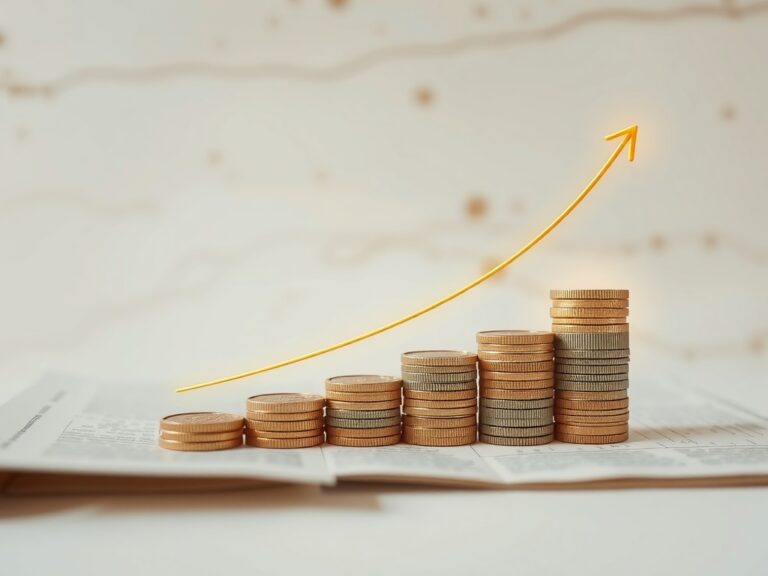
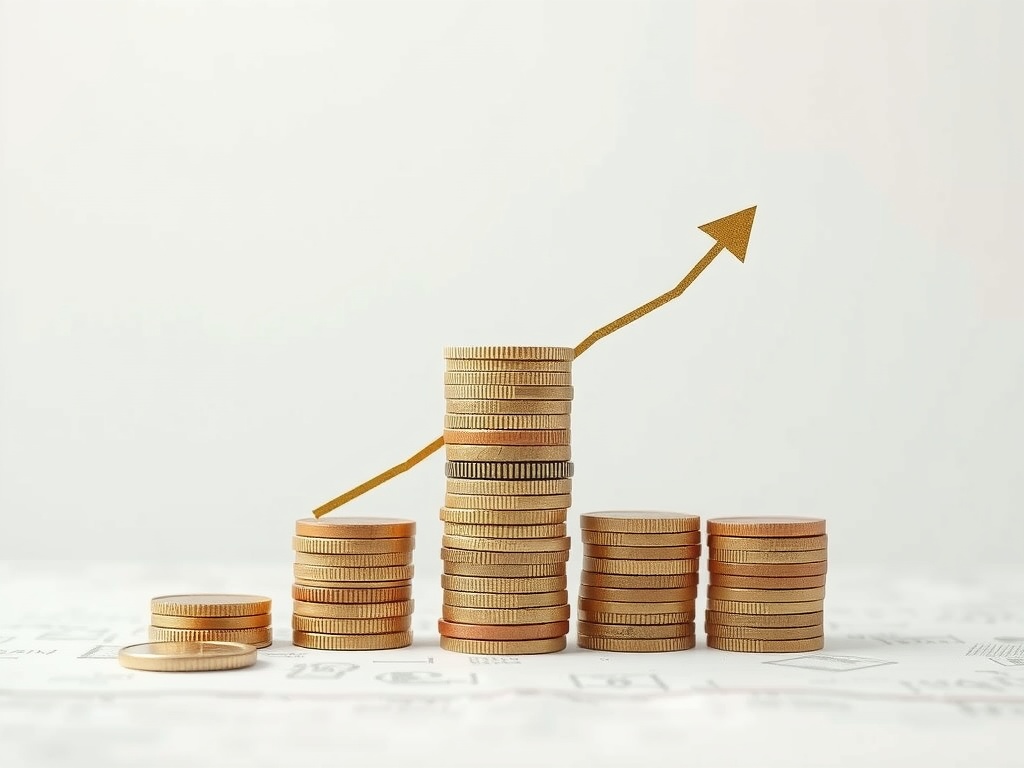
That is why compound growth is often called a wealth-building engine. Your money earns returns, those returns stay in the account, and future returns are then earned on a larger balance. The effect can feel slow at first, but over long periods it becomes powerful.
This guide explains how compound interest works, why starting early matters so much, what factors influence growth most, and how to use compounding in a practical investing plan. If you want to model the numbers yourself, see our guide on estimating portfolio growth with a compound interest calculator.
What Is Compound Interest?
Compound interest is the process of earning returns on both your original money and the earnings that have already accumulated. In plain English, your money starts earning money, and then those gains begin earning money too.
That is the key difference between simple interest and compound interest. With simple interest, growth is calculated only on the original amount. With compound growth, each new period starts from a bigger base if prior earnings remain invested.
Here is a simple example. If you invest $1,000 and earn 8% in the first year, you end with $1,080. If you earn another 8% in year two, you are no longer earning it on just $1,000. You are earning it on $1,080, which brings the balance to $1,166.40.
That extra growth may look small early on, but compounding is not impressive because of what happens in year two. It is impressive because of what happens in year 20 or year 30. For a baseline definition, Investopedia’s explanation of compound interest is a useful reference.
Why Compound Interest Matters So Much
Compound interest matters because it rewards habits that ordinary investors can actually control. You cannot control market returns year by year, but you can control when you start, how consistently you contribute, whether you reinvest earnings, and how long you stay invested.
This is why a person who starts early with modest monthly investments can sometimes end up ahead of someone who waits and later contributes much more. The earlier investor gave compounding more time to work. Time is often more valuable than trying to make up for a late start with bigger deposits.
Compounding also reduces the pressure to be perfect. You do not need to find the hottest stock or predict every market move. A simple long-term plan, followed consistently, is often enough to produce strong results.
It is also important to think in real purchasing-power terms. A future balance may look large on paper, but inflation can reduce what that money actually buys. For that reason, it helps to check long-term goals against an inflation calculator so your expectations stay realistic.
How Compound Interest Works
Compound growth depends on a few core inputs. Even small changes to these factors can meaningfully change your ending balance.
- Starting balance: More money invested earlier gives compounding a larger base.
- Ongoing contributions: Regular deposits keep adding fuel to growth.
- Rate of return: Higher long-term returns can increase growth, though usually with more risk.
- Compounding frequency: Interest or gains that are added more often can slightly boost results.
- Time horizon: The longer money stays invested, the stronger the compounding effect tends to be.
Of these, time is usually the most underestimated. Many investors focus heavily on return assumptions while overlooking how much a longer holding period can matter.
Example 1: A one-time investment
Suppose you invest $5,000 once and earn an average annual return of 7%.
- After 10 years: about $9,836
- After 20 years: about $19,348
- After 30 years: about $38,061
You contributed only $5,000, but the long time horizon gave that money decades to grow.
Example 2: Monthly contributions
Now imagine you start with $0 but invest $250 per month at an average annual return of 8%.
- After 10 years: about $45,700
- After 20 years: about $147,300
- After 30 years: about $372,000
Over 30 years, total contributions would be $90,000. The rest, roughly $282,000, would come from growth. This is where compounding becomes more than a definition. It becomes a practical wealth-building tool.
Example 3: Starting early vs. starting late
Investor A starts at age 25 and invests $200 per month until age 35, then stops. Investor B waits until age 35 and invests $200 per month until age 65. Assuming an 8% average annual return:
- Investor A contributes $24,000 total
- Investor B contributes $72,000 total
Even though Investor A contributes far less, the earlier start can still produce a similar or larger ending balance because those dollars had many more years to compound. If you want a quick shortcut for estimating growth timelines, see the Rule of 72.
The Biggest Drivers of Compound Growth
If you want to improve long-term results, focus on the factors that matter most.
1. Time
Time is the multiplier that makes everything else more effective. Starting five or ten years earlier can matter more than earning slightly higher returns later.
2. Contribution rate
Consistent investing is what turns compounding into a habit instead of a one-time event. Even modest monthly deposits can add up when they continue for years.
3. Reinvestment
When dividends, interest, or gains stay in the account instead of being withdrawn, they create a larger base for future growth.
4. Reasonable long-term returns
Returns matter, but they should be viewed realistically. Chasing unusually high returns can lead to poor decisions, excessive risk, or disappointment.
5. Low friction from fees and taxes
Compounding works on net returns, not headline returns. High costs, frequent trading, and unnecessary taxes can quietly slow your progress.
Step-by-Step Guide to Using Compound Interest in Real Life
Step 1: Define the goal
Compounding works best when your money has a job. Are you investing for retirement, a child’s future, financial independence, or general long-term wealth? The answer affects your timeline, account choice, and risk level.
A specific goal is more useful than a vague intention. “I want $300,000 in 25 years” is easier to plan for than “I should invest more.”
Step 2: Start as early as you can
The best time to start is usually as soon as you can invest responsibly. Even small amounts matter. If you are beginning from a modest base, our guide on how to invest $200 shows how small contributions can still create momentum.
Think of early investing as buying time. You may be able to increase contributions later, but you cannot recover years lost to waiting.
Step 3: Build a cash buffer first
Long-term investing works better when short-term emergencies do not force you to sell. Before investing aggressively, make sure you have a basic emergency fund and a plan for high-interest debt. If you need help with that foundation, read how to build an emergency fund before you invest.
Step 4: Contribute consistently
Regular investing is what keeps the compounding engine running. Monthly automatic contributions are especially effective because they remove emotion and reduce the temptation to wait for a “better time.”
Consistency also works well with dollar-cost averaging, where you invest a fixed amount on a schedule regardless of market conditions. That approach does not eliminate risk, but it can make investing easier to stick with.
Step 5: Choose investments with long-term growth potential
Compounding needs returns to build on. For many long-term investors, that means diversified stock index funds, retirement accounts, or balanced portfolios aligned with their timeline and risk tolerance.
The right mix depends on how soon you need the money and how comfortable you are with market swings. If you are unsure how much volatility you can handle, review what risk tolerance is and how to determine yours.
For beginner investor protection basics, the SEC’s introduction to saving and investing is a solid official resource.
Step 6: Reinvest earnings
Reinvesting dividends and other earnings is one of the easiest ways to strengthen compounding. Instead of taking cash out, you use those earnings to buy more shares or add to the investment. Those new shares can then generate returns of their own.
This matters most during the accumulation stage, when your main goal is growing assets rather than producing current income.
Step 7: Increase contributions over time
You do not need to invest the same amount forever. One of the simplest ways to improve future results is to raise contributions whenever your income rises.
For example, someone who starts at $150 per month and increases to $200, then $250 over time can materially improve long-term outcomes without making a dramatic lifestyle change all at once.
Step 8: Review periodically, not emotionally
Compounding requires patience. Checking your investments constantly can make normal volatility feel like a crisis. A quarterly or semiannual review is enough for many long-term investors.
During those check-ins, ask whether you are still on pace, whether your allocation still fits your goals, and whether you should rebalance. For a practical framework, see how to rebalance your portfolio.
Estimate Your Growth
Project how your starting amount, return, and recurring contributions could grow over time.
How Small Investments Become Large Over Time
One reason people underestimate compound interest is that early progress can feel underwhelming. In the first few years, most of your account growth comes from your own contributions. Later, the balance gets large enough that investment growth begins doing more of the heavy lifting.
That shift is important psychologically. Many investors quit before compounding becomes visible. They contribute for a few years, see only modest gains, and assume the process is not working. In reality, compounding is often slow at the beginning and much stronger later.
This is why patience matters. The most dramatic years of growth often happen near the end of a long investing timeline, not the beginning.
Tips for Making Compound Interest Work Better
Automate contributions
Set up transfers right after payday so investing happens consistently without requiring a new decision each month.
Use realistic assumptions
A plan built on moderate return estimates is usually more dependable than one that only works if markets are unusually strong.
Protect your buying power
A larger future balance is not the same as greater real wealth if inflation is high, so review long-term goals in today’s dollars too.
It also helps to increase contributions gradually. Even a small annual bump can make a noticeable difference over decades.
Set a Monthly Target
Work backward from a future goal and estimate the monthly amount needed to stay on track.
Common Mistakes That Slow Compounding
Waiting too long to start. A delayed start reduces the time your money has to grow, and lost time is hard to replace.
Stopping contributions during market declines. Investing only when markets feel comfortable can interrupt progress and reduce long-term discipline.
Chasing unrealistic returns. Plans based on overly optimistic assumptions may lead to under-saving or taking risks you cannot tolerate.
Withdrawing money too early. Every dollar removed is a dollar that no longer compounds for your future.
Ignoring fees and taxes. Small percentage drags can compound against you over time.
Taking the wrong level of risk. Money needed soon should usually not be invested the same way as money meant for decades-long goals.
Frequently Asked Questions
How much money do I need to start benefiting from compound interest?
You do not need a large amount. Even $50 or $100 per month can benefit from compound growth if you invest consistently and leave the money invested long enough.
How often does compound interest compound?
That depends on the account or investment. Savings products may compound daily, monthly, or quarterly. Investments grow less predictably because returns depend on market performance and reinvested earnings. In practice, time and contributions usually matter more than the exact schedule.
Is compound interest guaranteed in the stock market?
No. Stock market returns are not guaranteed and will vary from year to year. The idea of compounding in investing refers to gains that remain invested and continue building over time.
What is the difference between simple and compound interest?
Simple interest is earned only on the original principal. Compound interest is earned on the principal plus prior earnings, which is why it can accelerate over long periods.
Can compound interest help with retirement planning?
Yes. Retirement planning is one of the clearest examples of compounding at work because long time horizons, regular contributions, and reinvested earnings can combine to build a much larger portfolio. If retirement is your main goal, you may also want to explore how to use a retirement calculator to set a smarter target.
Bottom Line
The power of compound interest is not really about finding a magic formula. It is about giving your money enough time and enough consistency to grow on itself. Start with what you can, invest regularly, reinvest earnings, and avoid interrupting the process unnecessarily.
Small investments may not look life-changing at first, but over years and decades they can become the foundation of real wealth. The earlier you begin, the more compounding can do the heavy lifting for you.
Disclaimer
The information in this article is for educational purposes only and should not be considered financial advice. Always do your own research or consult a financial advisor before making investment decisions.
Last updated: May 23, 2026
Educational notice: This article is for educational purposes only and is not investment, tax, or legal advice. Read the full disclaimer.