How to Invest $200: Match the Plan to Your Timeline
If you have been wondering how to invest $200, the good news is that this amount is enough to start building real financial momentum. You do not need thousands of dollars to begin investing today, especially with fractional shares, low-cost ETFs, and beginner-friendly brokerage apps making the market more accessible than ever.
The key is not just where to put $200, but how to use it in a way that matches your goals, timeline, and risk tolerance. A small first investment can teach valuable habits, create confidence, and become the foundation for much larger wealth over time.
Why $200 Is Enough to Start Investing
Many beginners delay investing because they assume small amounts do not matter. In reality, learning how to invest $200 can be more important than waiting until you have a bigger lump sum, because time in the market often matters more than the size of your first deposit.
For example, if you invest $200 once and earn an average annual return of 8%, that single contribution could grow to about $932 in 20 years. If you invest $200 now and then add just $50 per month, the result after 20 years at the same 8% return would be roughly $29,650.
This is why getting started matters. If you want to see how regular contributions can grow, try a compound interest calculator to estimate future value based on your timeline and expected return.
Small amounts still count
A $200 investment may not change your life overnight, but it can change your behavior. Building the habit of investing consistently is often more powerful than waiting for the perfect moment or a larger amount of money.
Step 1: Decide What Your $200 Is For
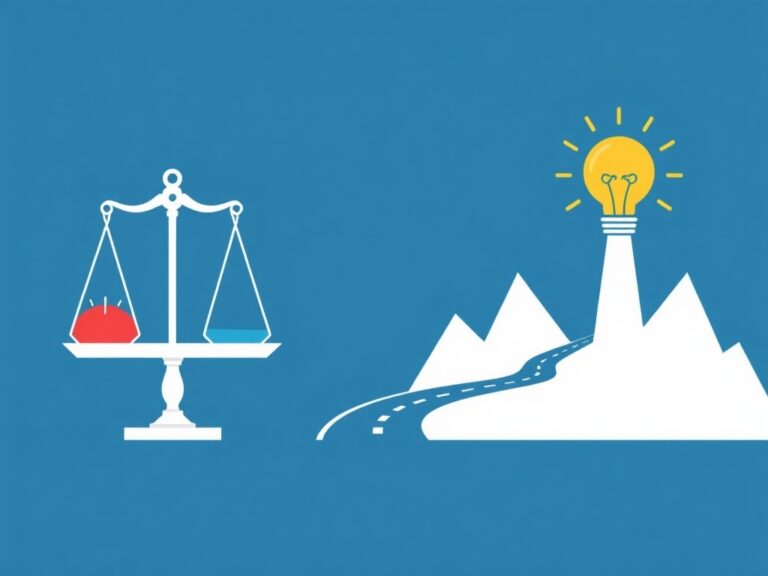
Before choosing an investment, define the purpose of the money. The best way to invest $200 depends on whether you need flexibility, long-term growth, income, or a lower-risk place to keep your cash working.
Short-term goals
If you may need the money within the next one to three years, investing in volatile assets like stocks may not be ideal. In that case, high-yield savings, short-term CDs, or a money market fund may make more sense than taking market risk.
If your goal is building a travel fund, emergency cushion, or near-term purchase, you can also map out a target with a savings goal calculator. This helps you see whether $200 is a one-time boost or the first step in an ongoing plan.
Long-term goals
If your time horizon is five years or longer, your $200 can be invested more aggressively. Long-term goals often include retirement, buying a home years from now, or simply building wealth through diversified stock market exposure.
For retirement-focused investors, even a small contribution today can matter. If you are early in your career, you may also benefit from reading how to invest in your 20s for a broader long-term strategy.
Learning and confidence-building
Sometimes the real purpose of $200 is education. Investing a small amount gives you hands-on experience with brokerage accounts, order types, market fluctuations, dividends, and portfolio tracking without risking too much money.
That can be a smart move if you are nervous about investing. The goal is to learn how markets work while keeping mistakes affordable.
Best Ways to Invest $200
If you are looking for practical options, these are some of the best ways to invest $200 based on simplicity, diversification, and long-term potential.
1. Buy a low-cost ETF
For many beginners, an ETF is one of the best answers to how to invest $200. ETFs let you buy a basket of stocks or bonds in a single purchase, which instantly gives you diversification.
A broad market ETF that tracks the S&P 500 or total U.S. stock market can spread your money across hundreds of companies. Instead of betting on one stock, you get exposure to many sectors such as technology, healthcare, finance, and consumer goods.
Suppose you invest $200 in a total market ETF with an expense ratio of 0.03%. Your annual fund cost would be just $0.06 on that balance, which is extremely low. Over time, keeping fees down can make a meaningful difference in your returns.
If you are comparing approaches, our guide on individual stocks vs ETFs can help you decide whether broad diversification or picking companies fits your style better.
2. Invest in fractional shares of quality companies
Fractional shares allow you to buy part of an expensive stock instead of needing enough cash for a full share. That means $200 can be split across several companies even if their stock prices are high.
For example, imagine you invest:
- $70 in a large technology company
- $50 in a healthcare company
- $40 in a consumer staples company
- $40 in an energy or industrial company
This approach gives you direct stock ownership and some diversification, though it is still riskier than using a single broad ETF. Individual companies can underperform badly, even when the broader market does well.
If you choose this route, focus on profitable businesses with strong balance sheets, competitive advantages, and long operating histories. Avoid treating your $200 like trading capital for speculative bets.
3. Start with dividend-paying investments
If you like the idea of passive income, dividend stocks or dividend ETFs can be a good use of $200. These investments pay shareholders cash distributions, usually quarterly, which can be reinvested to buy more shares.
For instance, if you buy $200 of a dividend ETF with a 3% yield, you might earn about $6 per year in dividends at current payout levels. That may sound small, but reinvested dividends can accelerate compounding over time.
You can estimate potential income with the dividend calculator if you want to compare different yields and reinvestment scenarios.
Reinvest your dividends
If your broker offers automatic dividend reinvestment, turn it on for long-term accounts. Reinvesting even small payouts helps your portfolio compound without requiring extra effort.
4. Open or fund a retirement account
If you have earned income, putting $200 into a Roth IRA can be a smart move. Qualified withdrawals in retirement are tax-free, which makes the Roth especially attractive for younger investors or anyone who expects to be in a higher tax bracket later.
Let us use a simple example. If a 25-year-old invests $200 today in a Roth IRA and never adds another dollar, that money could grow to about $3,449 by age 65 at an 8% annual return. Add regular contributions over time, and the long-term value can become much larger.
If retirement is your main objective, pair your first contribution with a projection using the retirement calculator. You can also read what a 401(k) is and how it works if you are deciding between workplace and individual retirement accounts.
5. Use a robo-advisor for automation
If you want a hands-off solution, a robo-advisor can invest your $200 into a diversified portfolio based on your risk tolerance. These platforms typically use ETFs and automatically rebalance your holdings over time.
This can be ideal if you are new to investing and do not want to research asset allocation on your own. Just make sure to check management fees, minimum deposit requirements, and whether tax-loss harvesting or automatic deposits are included.
For example, if a robo-advisor charges 0.25% annually, the fee on $200 is only $0.50 per year. That is reasonable for convenience, but it still makes sense to compare costs with a self-directed brokerage account.
How to Split $200 Based on Your Goal
There is no single perfect answer to how to invest $200. A smart plan depends on what you want the money to do. Here are a few sample allocations.
Option A: Simple beginner portfolio
- $160 in a broad stock market ETF
- $40 kept in cash for flexibility or future investing
This works well for someone who wants exposure to the market while keeping a small reserve. It is simple, low maintenance, and easy to build on later.
Option B: Balanced learning portfolio
- $100 in a total market ETF
- $50 in a dividend ETF
- $50 in one or two fractional shares of companies you understand
This gives you exposure to broad diversification, dividend income, and direct stock ownership. It can be useful if part of your goal is learning how different investments behave.
Option C: Retirement-first strategy
- $200 in a Roth IRA invested in a low-cost index fund
This is often the cleanest choice if you do not need the money anytime soon. It keeps the plan focused and avoids unnecessary complexity.
Option D: Debt and investing combo
- $100 toward high-interest debt
- $100 into a diversified ETF or retirement account
If you have credit card debt with a 20% APR, paying some of it down may offer a better guaranteed return than investing the full $200. If this situation applies to you, see how to pay off debt and start investing at the same time for a practical framework.
What Returns Can You Realistically Expect?
New investors often hope to double their money quickly, but realistic expectations are essential. Historically, the stock market has delivered average annual returns of around 8% to 10% before inflation over long periods, though actual yearly results vary widely.
One-time $200 investment example
If you invest $200 and earn 7% annually:
- After 5 years: about $281
- After 10 years: about $393
- After 20 years: about $774
- After 30 years: about $1,522
If you earn 10% annually instead:
- After 10 years: about $519
- After 20 years: about $1,345
- After 30 years: about $3,490
These examples show that $200 can grow meaningfully, but the bigger opportunity comes from adding money regularly. A small start paired with consistency is where real wealth building begins.
Why inflation matters
Returns should always be viewed in real terms, not just nominal terms. If inflation averages 3% and your portfolio earns 8%, your real return is closer to 5% in purchasing-power terms.
That is why long-term investors should monitor both growth and inflation. You can estimate the impact over time with the inflation calculator to see what your future dollars may actually be worth.
See How $200 Can Grow
Estimate future returns from a one-time investment or monthly contributions with our easy compound growth tool.
[/cta]
Common Mistakes to Avoid
When deciding how to invest $200, avoiding basic errors can matter as much as choosing the right asset. Here are some of the most common mistakes beginners make.
Chasing hype stocks or crypto trends
It is tempting to put a small amount into whatever is trending on social media. But high-volatility assets can swing sharply, and many beginners confuse speculation with investing.
If you cannot clearly explain why an asset should grow in value over time, be careful. A diversified ETF is usually a stronger starting point than a hot tip.
Ignoring fees
With only $200, fees take a bigger bite proportionally. Avoid brokerages with account minimums, inactivity fees, or high trading commissions, and pay attention to ETF expense ratios.
For example, a 1% annual fee on $200 is $2 per year, while a 0.03% fee is only $0.06. That difference may seem tiny now, but it grows as your account balance increases.
Investing money you may need soon
If your rent, emergency savings, or debt payments are not covered, investing may not be the right first move. Market investments can lose value in the short term, and being forced to sell at a bad time can lock in losses.
Do not invest your emergency fund
If this $200 is all the cash cushion you have, consider keeping it in a high-yield savings account instead of the stock market. Investing works best when you can leave the money alone through ups and downs.
Trying to build a complicated portfolio too early
Some beginners think sophistication equals success. In reality, one broad ETF can be a better starting portfolio than five overlapping funds and several random stocks.
Keep your first investment simple enough that you understand what you own and why you own it.
Not continuing after the first $200
The first deposit is important, but the follow-through matters more. Even adding $25 or $50 per month can dramatically change your long-term results.
If you want to evaluate performance over time, the investment return calculator can help you compare contributions, gains, and annualized returns.
Frequently Asked Questions
Can I really start investing with just $200?
Yes. Many brokers let you buy fractional shares and low-cost ETFs with no minimum investment. That makes $200 more than enough to begin learning, building habits, and gaining market exposure.
What is the safest way to invest $200?
The safest option depends on your time horizon. For short-term goals, a high-yield savings account or money market fund is usually safer than stocks. For long-term goals, a diversified ETF is often safer than picking individual stocks because it spreads risk across many companies.
Should I invest $200 all at once or spread it out?
With a small amount like $200, investing it all at once is often reasonable if you have a long time horizon. If you are nervous about market timing, you could split it into two or four smaller purchases, but the difference is usually minor with this amount.
Is it better to invest $200 or pay off debt?
If you have high-interest debt, especially credit card debt, paying that down may deliver a better guaranteed return. For example, eliminating debt with a 22% interest rate is often more valuable than hoping for an 8% market return.
What should I invest $200 in as a beginner?
For most beginners, a low-cost broad market ETF inside a brokerage account or Roth IRA is a strong first choice. It offers diversification, low fees, and a straightforward path to long-term growth.
Check Your Potential Returns
Compare different return assumptions and see how a small investment can grow over time.
[/cta]
Official references and assumptions
This article is educational and uses the references below for the topic definition or general rule discussed. Rules, products, and tax treatment can change; the sources are U.S.-focused and should be checked before acting.
Final Thoughts
Learning how to invest $200 is really about learning how to start. A small amount can open the door to long-term investing, help you understand your risk tolerance, and create habits that matter far more than the size of your first contribution.
For most people, the best move is simple: choose a low-cost diversified ETF, use a tax-advantaged account if possible, keep fees low, and keep contributing consistently. The sooner you begin, the more time compounding has to work in your favor.
Disclaimer
The information in this article is for educational purposes only and should not be considered financial advice. Always do your own research or consult a financial advisor before making investment decisions.
Last updated: August 25, 2026
Educational notice: This article is for educational purposes only and is not investment, tax, or legal advice. Read the full disclaimer.