Paying Debt vs Investing: Which Move Deserves Your Extra Cash?
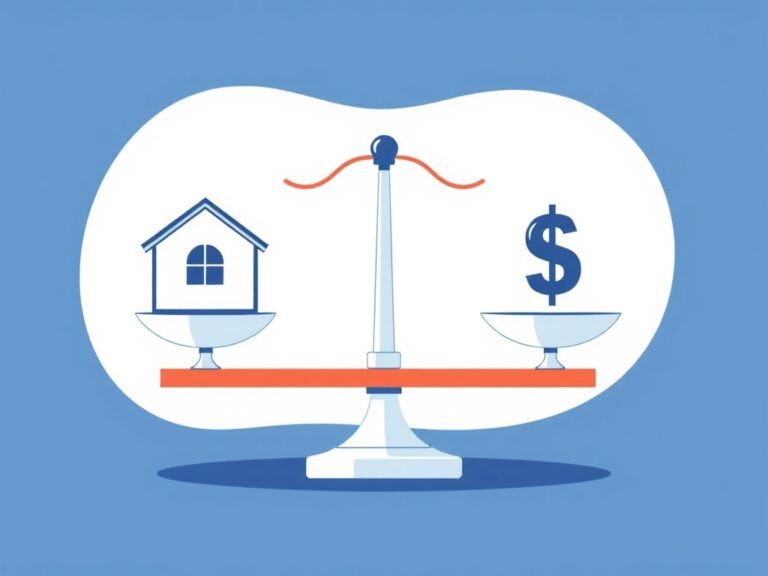
If you have extra cash each month, the question of paying debt vs investing usually comes down to a simple trade-off: which move gives you the better return for your situation, with the least regret later? In many cases, high-interest debt deserves first priority. But if your debt is low-cost, your emergency fund is in place, and your time horizon is long, investing can absolutely be the smarter move.
This comparison matters because both choices can improve your financial future, just in different ways. Paying debt gives you a guaranteed return equal to the interest you avoid. Investing, on the other hand, offers the possibility of higher long-term growth, but with market risk and no guarantee.
Quick Answer
As a general rule, pay off high-interest debt first, then invest more aggressively. If your debt is low-interest and you already have emergency savings, investing may deserve more of your extra cash. The best choice depends on your interest rate, your time horizon, and how much financial flexibility you need right now.
Paying Debt vs Investing: The Core Difference
Paying Debt
Paying debt means using extra cash to reduce balances on credit cards, personal loans, auto loans, student loans, or other liabilities. The main benefit is straightforward: every extra dollar you put toward debt reduces future interest charges and improves your monthly cash flow.
This is often the best choice for people carrying high-interest balances, especially revolving debt. If your interest rate is much higher than what you could reasonably expect to earn after taxes and fees by investing, paying it down is usually the more efficient move.
Investing
Investing means putting extra cash into assets such as index funds, ETFs, stocks, or retirement accounts with the goal of growing wealth over time. Returns are not guaranteed, but patient investors may benefit from compounding and long-term market growth.
This option is often best for people with stable finances, a long time horizon, and access to tax-advantaged accounts. If your debt is manageable and relatively cheap, investing can help you build wealth over decades instead of just shrinking balances.
For readers trying to visualize long-term growth, the compound interest calculator can help show how time affects returns.
Key Differences
| Feature | Paying Debt | Investing |
|---|---|---|
| Expected return | Guaranteed savings equal to the interest rate you avoid | Variable market returns with no guarantee |
| Risk | Low financial risk, especially with high-interest debt | Market risk, volatility, and possible losses in the short term |
| Liquidity | Money is no longer available once used to pay down debt | Funds may be accessible, depending on the account |
| Minimum amount | Any extra payment can help reduce principal | Often low minimums, especially with fractional-share investing |
| Fees | May include interest charges, late fees, or rare prepayment rules | May include fund expense ratios, trading costs, or account fees |
| Tax treatment | Interest is usually not deductible except in limited cases | May receive tax advantages in retirement accounts or long-term capital gains treatment |
| Best for | High-interest debt, cash flow improvement, and lower-risk households | Long-term wealth building, retirement saving, and moderate-to-higher risk tolerance |
A simple way to compare the two is to think in terms of a “risk-free return.” If you pay off a credit card charging 22% APR, you are effectively avoiding a 22% cost. That is a very high hurdle for most investments to beat consistently after taxes and market swings.
It also helps to compare your debt payoff progress with other financial goals. A ROI calculator can be useful when you want to estimate whether a payment or an investment is more likely to produce the better result over time.
When Paying Debt First Makes More Sense
Debt payoff usually deserves priority when the interest rate is high and the balance is costing you real money every month. Credit cards are the clearest example, but some personal loans and auto loans can also be expensive enough to justify aggressive repayment.
Pros of Paying Debt
- Guaranteed savings: Every extra dollar reduces the balance and the interest you owe.
- Improved cash flow: Lower debt payments free up monthly income for saving or investing later.
- Lower stress: Many people feel more financial flexibility once debt starts shrinking.
- Better debt-to-income ratio: This can help when applying for mortgages, auto loans, or other credit.
- Often the best use of cash for high APR debt: Credit cards and some personal loans can be extremely expensive.
Cons of Paying Debt
- Opportunity cost: Money used to pay debt cannot be invested during strong market periods.
- Less liquidity: Extra payments are not easily accessed again if an emergency comes up.
- May not maximize long-term growth: Low-interest debt can be cheaper than expected investment returns over long periods.
- Can delay investing habits: Focusing only on debt payoff may postpone retirement contributions too long.
Good rule of thumb
If your debt interest rate is in the double digits, paying it down is often the first place to direct extra cash after you have a basic emergency fund. The higher the rate, the more valuable each extra payment becomes.
When Investing First Makes More Sense
Investing tends to win when debt is already manageable, your emergency savings are strong enough, and you have enough time for compounding to work. This is especially true if you have access to an employer retirement match, because that match is an immediate return that can be hard to beat.
Pros of Investing
- Potential for higher long-term returns: Broad stock market investing has historically rewarded patient investors over long periods.
- Compounding: Returns can generate additional returns over time, especially when you start early.
- Helps retirement readiness: Investing regularly can support long-term goals such as retirement or financial independence.
- Tax advantages: Retirement accounts can offer tax deferral or tax-free growth, depending on the account type.
- Flexibility across goals: You can choose conservative or aggressive investments based on your time horizon.
Cons of Investing
- No guaranteed return: Markets can fall, sometimes sharply, before recovering.
- Behavioral risk: Investors may panic sell during downturns and lock in losses.
- Fees and taxes can reduce returns: Expense ratios, trading costs, and taxes matter.
- Short-term volatility: If you need the money soon, investing can be a poor fit.
Watch the time horizon
Investing money you may need within the next few years can be risky. Short time horizons leave less room for market declines, which makes debt payoff or cash savings more attractive for near-term needs.
For official context on how retirement accounts can affect your tax bill, the IRS explains the tax treatment of retirement plans and contributions on its official site.
If you want to estimate how contributions might grow over time, the investment return calculator can help you compare different rates of return and time periods.
For a more detailed look at how investing strategies can affect outcomes once you decide to invest, our guide on dollar-cost averaging vs lump-sum investing breaks down the trade-offs.
How to Decide Between Paying Debt and Investing
The better choice depends on the interest rate on your debt, your emergency savings, and your investing time horizon. A practical way to decide is to compare the return you expect from investing after taxes with the interest cost you avoid by paying down debt.
Choose Paying Debt First If:
- You have high-interest credit card debt or personal loans.
- Your monthly payments are straining your budget.
- You do not yet have an emergency fund.
- You are uncomfortable taking investment risk right now.
- Your debt rate is higher than what you reasonably expect to earn after tax and fees.
Choose Investing First If:
- Your debt is low-interest, such as a mortgage or subsidized student loan.
- You already have emergency savings in place.
- Your employer offers a retirement match and you want to capture it.
- You have a long time horizon and can tolerate market swings.
- You want to build wealth over decades rather than eliminate debt as quickly as possible.
For many households, the best answer is not an all-or-nothing choice. A balanced approach can work well: pay aggressively on expensive debt while still contributing enough to retirement accounts to capture an employer match or keep your investing habit intact.
Example: suppose you have $5,000 in credit card debt at 23% APR and an extra $300 per month. Paying that debt first saves a meaningful amount of interest and may free up cash flow relatively quickly. If you invested that same $300 per month instead, the expected return would need to overcome the high cost of the debt, which is difficult to do consistently.
Example: suppose you have a 3.5% student loan and a 401(k) match. In that case, contributing enough to get the full match may be more valuable than rushing to prepay the loan, because the match is an immediate return on your contribution.
If you are building a broader financial plan, the retirement calculator can help you see whether your current savings rate is on track for your long-term goals.
See the long-term impact of investing
Estimate how much your money could grow with regular contributions and compounding.
A practical decision shortcut
If the debt APR is high, pay debt first. If the debt APR is low and you are getting a retirement match, invest at least enough to capture the match, then split extra cash between both goals.
Common Mistakes to Avoid
- Ignoring the emergency fund: Without cash reserves, one surprise expense can send you right back into debt.
- Chasing returns instead of comparing rates: A guaranteed 20% debt payoff is often more valuable than uncertain market gains.
- Skipping employer matches: Leaving free money on the table can hurt long-term results.
- Overlooking taxes and fees: Investment fees and taxes can reduce net returns.
- Using all cash for debt and never investing: This can delay retirement progress and reduce the power of compounding.
Another common mistake is comparing debt payoff to investing in the abstract without using real numbers. A lower-rate loan may be less urgent than it feels, while high-rate revolving debt can be more expensive than many people realize. Tools like an inflation calculator can also help you understand how rising prices affect the real value of future savings and repayments.
Frequently Asked Questions
Is paying debt better than investing?
It depends on the interest rate, your time horizon, and your risk tolerance. Paying high-interest debt is often the better choice because the interest saved is a guaranteed return, while investing has no guarantee.
Should I invest if I still have debt?
Yes, in some cases. If the debt is low-interest and you already have an emergency fund, investing can make sense, especially if you are contributing enough to receive an employer retirement match.
What debt should I pay off first?
Many people start with the highest-interest debt first because it costs the most over time. Others prefer a debt snowball approach for motivation, but from a purely financial standpoint, high-interest balances are usually the priority.
What if my debt rate is low?
If your debt rate is low, investing may offer better long-term growth potential, especially over a long time horizon. You may also choose a split strategy: make minimum payments on the debt while investing the rest.
How do I decide between debt payoff and investing?
Compare the interest rate on your debt with the expected after-tax return of your investments, then factor in your emergency fund, job stability, and goals. If you need help estimating your investment path, the savings goal calculator can show how much you need to set aside to reach a target faster.
Plan your payoff path
Estimate how quickly you could eliminate debt or reach a savings target based on your monthly contributions.
For readers comparing broader money priorities, our article on how to build an emergency fund before you invest is a useful next step because it helps reduce the risk of needing to borrow again.
The Bottom Line
If your debt is expensive, paying it down usually deserves your extra cash first. If your debt is affordable and your investing horizon is long, investing can be the stronger wealth-building move. In real life, the best answer is often a blend of both: protect yourself with emergency savings, eliminate costly debt, and invest consistently for the future.
For additional context and source verification, see Investopedia investment basics.
Decision takeaway
If your debt is expensive, paying it down usually deserves your extra cash first. If your debt is affordable and your investing horizon is long, investing can be the stronger wealth-building move.
Disclaimer
The information in this article is for educational purposes only and should not be considered financial advice. Always do your own research or consult a financial advisor before making investment decisions.
Last updated: June 12, 2026
Educational notice: This article is for educational purposes only and is not investment, tax, or legal advice. Read the full disclaimer.