Robo-Advisors vs Human Financial Advisors: Which Should You Choose?
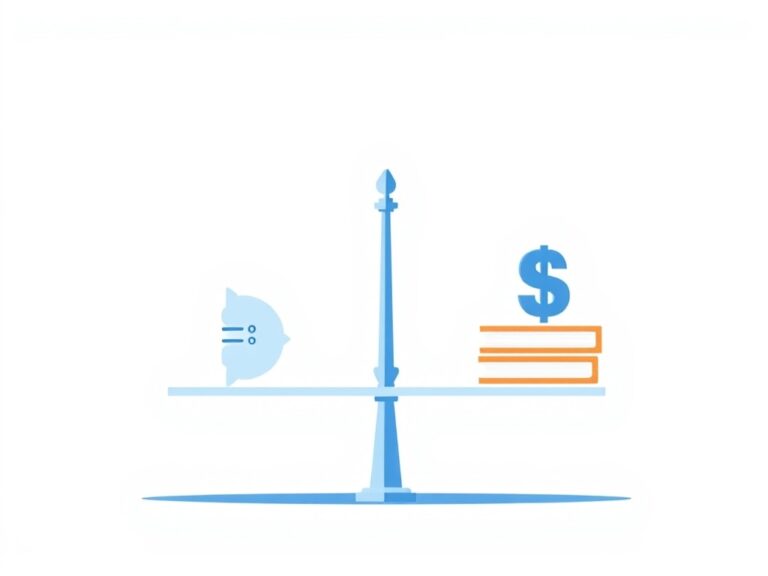
Robo-advisors and human financial advisors can both help you manage money, but they do it in very different ways. A robo-advisor uses software to build and maintain a portfolio for you. A human advisor brings judgment, conversation, and a broader planning lens. The right choice usually depends on how much help you want, how complicated your finances are, and how much you are willing to pay for that help.
This comparison matters because investing is not only about returns. It is also about choosing a system you can stick with through market swings, changing goals, and life events. The best option is often the one that fits your budget, your personality, and the real-world decisions you need to make along the way.
Quick Overview
Robo-Advisors
Robo-advisors are digital investing platforms that use algorithms to create a portfolio based on your goals, time horizon, and risk tolerance. Most invest in diversified ETFs, then automatically rebalance your account as markets move. Some also offer tax-loss harvesting, automatic deposits, and goal tracking.
For many investors, that combination is the main appeal. You answer a few questions, connect funding, and let the platform handle the ongoing maintenance. If you want a simple, low-cost way to invest without making many decisions, this model can feel refreshingly easy.
Human Financial Advisors
Human financial advisors offer personalized guidance that can go well beyond picking investments. Depending on the advisor, that guidance may include retirement planning, tax strategy, estate planning, insurance review, debt decisions, and cash-flow management. Some advisors charge a percentage of assets under management, while others use flat fees or hourly billing.
This option often makes the most sense when your financial life is not straightforward. A good advisor can help connect the dots between your investments, your job, your family situation, and your long-term goals. That kind of advice can be especially valuable when life gets messy, which is often when people need help most.
Key Differences
| Feature | Robo-Advisors | Human Financial Advisors |
|---|---|---|
| Typical fees | Usually lower, often around 0.25% to 0.50% of assets, sometimes with no advisory fee | Usually higher, often around 1% of assets, though flat-fee and hourly models exist |
| Minimum investment | Often low or no minimum, depending on the platform | Can be higher, though some advisors accept smaller accounts |
| Portfolio management | Automated asset allocation and rebalancing | Customized portfolio management with human oversight |
| Financial planning | Basic goal-based planning and digital tools | Broader planning for retirement, tax strategy, estate issues, and more |
| Personalization | Limited to questionnaire-based inputs | Higher, especially for complex income, family, or tax situations |
| Behavioral coaching | Limited, mostly app-based prompts and education | Stronger support during market volatility and major life changes |
| Ease of use | Very high; account setup is usually fast and digital | Varies; may involve meetings, documents, and ongoing communication |
| Best for | Beginners, cost-conscious investors, and hands-off savers | Investors with complex needs or those wanting human guidance |
If you are comparing the long-term effect of fees, it helps to think in terms of compounding rather than just annual cost. Even a small difference can add up over time. A simple tool like the compound interest calculator can make that tradeoff easier to visualize.
For a broader definition of how these services fit into the investment landscape, the Investopedia library is a useful reference point for basic terminology and service models.
Quick decision rule
Choose a robo-advisor if you mainly want automated investing at a lower cost. Choose a human advisor if you need tailored advice that goes beyond portfolio construction.
Robo-Advisors: Pros and Cons
Pros
- Lower fees than most traditional advisory relationships.
- Simple onboarding and automated portfolio management.
- Good for long-term, passive investors who do not want to pick individual investments.
- Automatic rebalancing helps keep your portfolio aligned with your target risk level.
- Many platforms offer recurring deposits and goal tracking.
Cons
- Limited personalization compared with a human advisor.
- May not be ideal for tax planning, estate planning, or business-related finances.
- Less useful if you need help making judgment calls during major life events.
- May not address emotional decision-making as effectively as a real person.
For investors who want to see how recurring contributions may shape their portfolio over time, the investment return calculator can help you test different assumptions before you commit.
Estimate Your Long-Term Growth
See how monthly investing and market returns may affect your portfolio over time.
Human Financial Advisors: Pros and Cons
Pros
- More personalized advice based on your full financial picture.
- Useful for retirement planning, tax coordination, inheritance planning, and other complex needs.
- Can help investors stay disciplined during market volatility.
- Flexible service models may include hourly, flat-fee, or ongoing planning.
- Better suited for people who want accountability and regular human interaction.
Cons
- Usually more expensive than robo-advisors.
- Quality can vary widely by advisor, credentials, and compensation model.
- Not every investor needs comprehensive planning services.
- May require more time for meetings, reviews, and onboarding.
Human advisors can be especially valuable when your plan involves retirement timing, income changes, or multiple accounts. If retirement is a major goal, the retirement calculator can help you estimate whether your current savings rate is on track.
It is also worth checking how the advisor is compensated and whether they are required to act in your best interest. The SEC provides helpful investor guidance on advisor types, fiduciary duty, and questions to ask before hiring someone.
Cost matters over time
A 1% advisory fee may not sound large, but over decades it can reduce ending wealth meaningfully. Always compare what you are paying with the actual value you expect to receive.
Which One Should You Choose?
The better choice depends on how much guidance you need and how complex your finances are. If you are a beginner, a robo-advisor is usually the easier entry point because it combines diversification, automatic rebalancing, and lower fees in one package.
If your financial life is fairly straightforward, a robo-advisor can be enough for long-term investing. It is often a practical fit for retirement contributions, recurring deposits, and anyone who prefers a set-it-and-forget-it approach.
If you are a higher-risk investor, the decision is less about the label and more about discipline. A human advisor may help you avoid emotional mistakes if you tend to chase performance or panic sell. At the same time, a robo-advisor can still work well if you already understand your risk tolerance and do not need much coaching.
For investors trying to compare the value of advice against its cost, a simple ROI framework can be helpful. The ROI calculator is useful when you want to estimate whether the added expense of human advice may be justified by the value you expect to receive.
In practical terms:
- Beginners: Robo-advisors are usually better because they reduce decision fatigue.
- Long-term investors: Robo-advisors work well if your finances are simple and you want low-cost automation.
- Higher-risk investors: Human advisors may be better if you need behavioral coaching, but only if the advice is relevant to your goals.
- Complex households: Human advisors are often the stronger choice if you have multiple income sources, taxes, children, or estate concerns.
If you are trying to build wealth from a fixed monthly amount, it can help to test your target before choosing a platform. The savings goal calculator can show how much you may need to contribute to reach a specific goal.
Plan Your Financial Goal
Estimate how much you need to save each month to reach a specific investing or retirement target.
Common Mistakes
- Choosing an advisor type based only on fees without considering the value of the service.
- Assuming a robo-advisor is always better for beginners, even when the investor has complex tax or retirement needs.
- Paying for a human advisor when you only need basic automated investing.
- Ignoring minimum investment requirements and account features before opening an account.
- Not checking whether the advisor is a fiduciary or how they are compensated.
Another common mistake is comparing expected returns without accounting for inflation. A portfolio that looks strong in nominal terms may not feel as strong once rising prices are factored in. The inflation calculator can help you think in terms of purchasing power instead of headline numbers alone.
Frequently Asked Questions
Are robo-advisors worth it for beginners?
Yes, often they are. Robo-advisors are a common choice for beginners because they automate portfolio construction, rebalancing, and recurring investing while keeping costs relatively low.
Do human financial advisors always beat robo-advisors?
No. Human advisors do not automatically produce better investment returns. Their value is often in planning, customization, and behavioral coaching rather than consistently outperforming the market.
Which option is cheaper?
Robo-advisors are usually cheaper. Human advisors typically charge higher fees, although some flat-fee or hourly planners may be cost-effective for specific needs.
Which is better for retirement planning?
Both can help, but the better option depends on complexity. A robo-advisor can support simple retirement investing, while a human advisor is often better if you need broader retirement-income planning or tax coordination.
Can I use both a robo-advisor and a human advisor?
Yes. Some investors use a robo-advisor for part of their portfolio and a human advisor for more complex planning. This can work well if you want low-cost investing plus expert guidance on specific decisions.
To compare the effect of fees, returns, and time in a more structured way, you can revisit the compound interest calculator after adjusting your assumptions. Small differences often become more visible over longer horizons.
Ultimately, robo-advisors vs human financial advisors is not a contest with one universal winner. The best choice is the one that fits your goals, budget, and level of complexity.
For additional context and source verification, see Investopedia investment basics.
Disclaimer
The information in this article is for educational purposes only and should not be considered financial advice. Always do your own research or consult a financial advisor before making investment decisions.
Last updated: July 26, 2026
Educational notice: This article is for educational purposes only and is not investment, tax, or legal advice. Read the full disclaimer.