Public.com vs TD Ameritrade: Which Is Better?
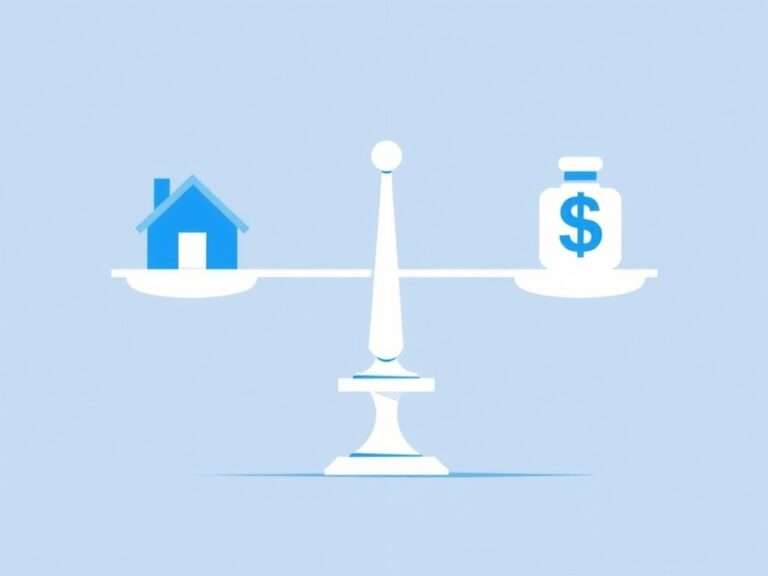
If you want a modern investing app with social features and a simple interface, Public.com is often the better fit for newer investors. If you prefer a more traditional brokerage experience with deeper research, broader trading tools, and a long-standing platform history, TD Ameritrade has historically been the stronger choice.
This comparison matters because the best brokerage depends less on brand recognition and more on how you actually invest. In the Public.com vs TD Ameritrade matchup, the right choice usually comes down to whether you value ease of use and community features or advanced tools and a more full-service investing setup.
Quick Overview
Public.com
Public.com is designed to make investing feel approachable. Its clean, mobile-first interface appeals to newer and more casual investors, while its emphasis on fractional investing and transparency lowers the barrier to getting started.
It also adds a social layer that lets users follow themes, assets, and market conversations. For people who want a straightforward way to buy stocks, ETFs, treasuries, or some crypto-related exposure without a steep learning curve, Public.com can be a strong fit.
TD Ameritrade
TD Ameritrade has long been known as a full-featured brokerage with strong research, robust trading tools, and support for more active investors. It built a strong reputation around thinkorswim, advanced charting, options trading, and a broad lineup of account types.
For long-term investors who want a deeper toolkit, or for traders who need more sophisticated order types and analysis, TD Ameritrade has historically been the more powerful platform. It has also been widely recognized for giving investors room to grow beyond basic buy-and-hold investing.
Key Differences
| Feature | Public.com | TD Ameritrade |
|---|---|---|
| Best for | Beginners, casual investors, social investing | Long-term investors, active traders, research-focused users |
| Fees | Commission-free stock and ETF trades; some premium or financing-related costs may apply | Commission-free online stock and ETF trades; options and other services may involve standard fees |
| Minimum investment | Low barrier to entry; fractional shares available | Low barrier for many products; fractional investing support has traditionally been more limited |
| Research tools | Basic to moderate | Advanced, including in-depth charting and trading platforms |
| Ease of use | Very beginner-friendly | More complex, especially for new investors |
| Social features | Yes, strong community-style investing features | Limited social investing emphasis |
| Asset variety | Stocks, ETFs, some alternatives, and crypto-related access depending on product availability | Broad traditional brokerage access, including options and more advanced strategies |
| Trading sophistication | Basic to intermediate | Advanced |
| Long-term investing fit | Good for simple portfolios | Excellent for investors who want a full-service platform |
| Learning curve | Low | Moderate to high |
One useful way to think about this comparison is through expected returns and time horizon rather than platform branding. If you are estimating how much your portfolio could grow over time, a tool like the Compound Interest Calculator can help you see how small differences in contributions and returns add up.
For background on broker-dealer oversight and investor protections, the SEC is a useful place to review official guidance.
Quick decision rule
Choose Public.com if you want a simple, social, mobile-first investing experience. Choose TD Ameritrade if you want stronger research tools, advanced trading features, and a more traditional brokerage setup.
Public.com: Pros and Cons
Pros
- Easy-to-use interface that lowers the barrier for new investors.
- Fractional investing makes it easier to start with small amounts.
- Social and community features can help investors discover ideas and learn from others.
- Good fit for simple portfolios built around stocks and ETFs.
- Mobile-first design is convenient for investors who prefer managing money on a phone.
Cons
- Less robust than full-service brokerages for advanced trading and research.
- Not ideal for investors who need sophisticated charting or complex order types.
- Social features can be distracting if you prefer a more disciplined, private investing workflow.
- May not satisfy investors who want the broadest possible toolkit.
For investors focused on long-term portfolio growth, the main question is whether simplicity outweighs functionality. If your strategy centers on steady contributions and diversified holdings, individual stocks vs ETFs is another helpful comparison to review before choosing a platform.
TD Ameritrade: Pros and Cons
Pros
- Strong research and analysis tools for investors who want more detail before trading.
- Advanced platform capabilities suited to active traders and options users.
- Broad account and trading support for a range of investing styles.
- Better fit for investors who want to grow into more complex strategies over time.
- Established brokerage reputation and a full-service feel.
Cons
- Can feel overwhelming for beginners who only want to buy and hold a few ETFs.
- Less streamlined than newer mobile-first apps.
- Advanced features may create a steeper learning curve than necessary for casual investors.
- Investors who value social investing may find the experience less engaging.
TD Ameritrade has traditionally appealed to investors who care about execution quality, research depth, and flexibility. If your goal is to evaluate whether a platform supports your long-term plan, using an Investment Return Calculator can help you compare different contribution and growth assumptions more clearly.
Platform fit matters
A brokerage can look inexpensive on the surface but still be the wrong choice if it lacks the tools you actually need. The best platform is the one that matches your investing habits, not the one with the flashiest app.
Which One Should You Choose?
Public.com is better for beginners who want a simple, low-friction way to start investing. Its fractional share support, easy interface, and social features make it approachable for people who are still learning the basics and do not need advanced trading tools.
TD Ameritrade is better for long-term investors who want deeper research, more control, and a platform that can support more complex strategies over time. If you plan to build a larger portfolio, trade options, or use advanced charting, TD Ameritrade is generally the stronger fit.
For higher-risk investors, TD Ameritrade is usually the better choice because it offers more sophisticated tools and a broader trading environment. That said, higher risk does not automatically mean better outcomes; it just means the platform is more capable of supporting active trading decisions.
If your main goal is to keep costs low and invest consistently, the platform choice matters less than your saving rate and discipline. A Savings Goal Calculator can help you estimate how much you need to invest regularly to reach a target amount over time.
Here is the simplest decision framework:
- Choose Public.com if you want beginner-friendly investing, fractional shares, and a modern app experience.
- Choose TD Ameritrade if you want advanced tools, research, and a more traditional brokerage platform.
- Choose Public.com if you are investing small amounts and want a more social experience.
- Choose TD Ameritrade if you are building a serious long-term portfolio or trading more actively.
See how your investments could grow
Model your next scenario with the Dividend Calculator and compare outcomes quickly.
For readers comparing this decision against other financial priorities, it can also help to think about opportunity cost. If you are deciding whether to fund an account now or use the money elsewhere, the paying debt vs investing guide can clarify where your next dollar may be more productive.
Frequently Asked Questions
Is Public.com better than TD Ameritrade for beginners?
Yes, Public.com is generally easier for beginners because it has a simpler interface and a lower learning curve. New investors who want to buy fractional shares and avoid complex trading tools often find it more approachable.
Is TD Ameritrade better for long-term investing?
TD Ameritrade is often better for long-term investors who want research, flexibility, and more advanced account features. It is especially useful if you expect your investing needs to become more complex over time.
Which platform is better for active traders?
TD Ameritrade is the stronger choice for active traders because it offers more advanced charting, analysis, and trading functionality. Public.com is better suited to simpler buy-and-hold investing.
Which one is cheaper?
Both platforms have offered commission-free online stock and ETF trading, but total cost depends on the specific products and services you use. Investors should also consider spreads, financing charges, account features, and any optional service fees.
Can I use either platform for small investments?
Yes, both can work for small investments, but Public.com is especially friendly to smaller balances because of its fractional investing approach. That makes it easier to build positions gradually without needing a large upfront amount.
When comparing platforms, it helps to measure results instead of just features. If you want a simple way to estimate whether one choice is likely to outperform another over time, the ROI Calculator can help you compare the expected payoff from different investing paths.
Bottom Line
In the Public.com vs TD Ameritrade comparison, Public.com is better for beginners and casual investors who want simplicity, fractional shares, and a social investing experience. TD Ameritrade is better for long-term investors and higher-risk traders who need more advanced tools, stronger research, and a broader brokerage platform.
The best choice depends on whether you want ease of use or depth of functionality. If your portfolio strategy is simple, Public.com may be enough; if you want a platform that can grow with you, TD Ameritrade is usually the stronger overall fit.
For additional context and source verification, see SEC investor guidance.
Disclaimer
The information in this article is for educational purposes only and should not be considered financial advice. Always do your own research or consult a financial advisor before making investment decisions.
Last updated: July 2, 2026
Educational notice: This article is for educational purposes only and is not investment, tax, or legal advice. Read the full disclaimer.